


The UNIC website uses cookies to improve your experience. Read our full Cookie Policy here.
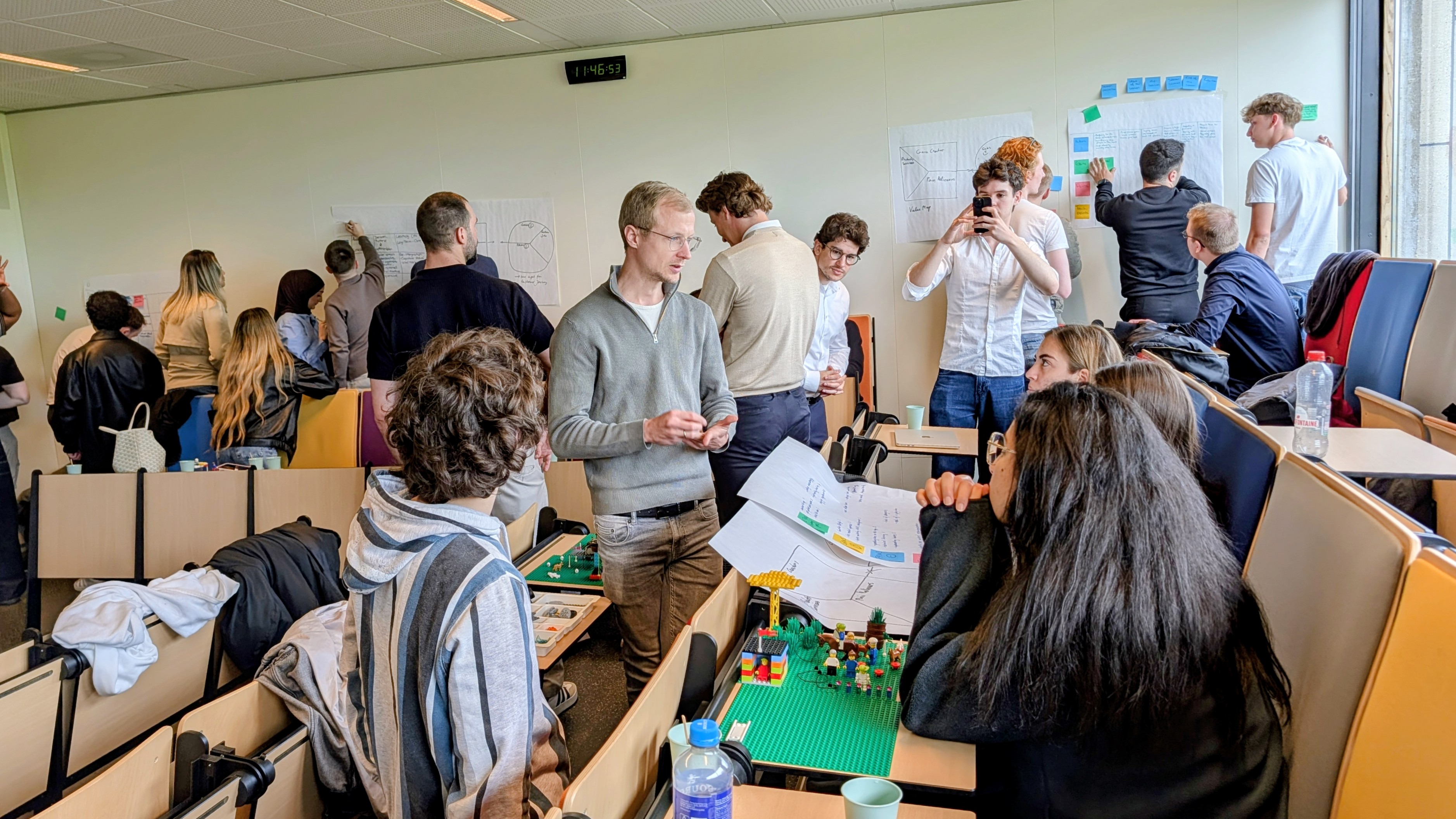
Participants from Ruhr University Bochum (Germany), the University of Liège (Belgium) and Koç University (Türkiye) came together in Rotterdam for the international hackathon, while staff members and students from the host institution Erasmus University Rotterdam and the Erasmus Centre for Entrepreneurship (ECE) supported the local organisation and implementation of the programme.
Hosted in cooperation with the Erasmus Centre for Entrepreneurship, Erasmus Medical Centre and external innovation partners, the hackathon offered students a hands-on learning environment far beyond the traditional classroom. The programme included mentoring sessions, customer journey mapping, stakeholder interviews, pitching workshops and final presentations.
Entrepreneurship education across borders
For the participating students from Ruhr University Bochum, the hackathon additionally formed part of the “Startup Creation” module organised by RUB’s Chair for Entrepreneurship and Innovative Business Models. While students from the different UNIC universities joined the hackathon from different academic contexts, the RUB students integrated the experience directly into their entrepreneurship curriculum.
The academic programme and entrepreneurial learning sessions were primarily facilitated by Prof. Stefanie Bröring, Dr. Vivian Peuker-Steinhäuser and Dr. Simon Ohlert from Ruhr University Bochum’s Chair for Entrepreneurship and Innovative Business Models, in close cooperation with Jip Dresia, Ata Engin und Alfonso Feijoo from the Erasmus Centre for Entrepreneurship.
From healthcare challenges to startup ideas
The hackathon began at Erasmus Medical Centre, where participants received insights into Rotterdam’s healthcare innovation ecosystem through a guided tour and presentations by the Erasmus MC incubator. Students then introduced their own startup ideas in short two-minute pitches, laying the foundation for the collaborative work of the following days.
The second day focused on transforming early-stage concepts into more concrete solutions. Using methods such as Lego Serious Play, customer journey mapping and the World Café format, students explored value creation processes, stakeholder perspectives and user-centred innovation approaches. During stakeholder interviews, teams were encouraged to challenge and validate their own assumptions while refining their ideas.
Learning through collaboration and exchange
For many participants, the international and interdisciplinary setting became one of the defining aspects of the experience.
“It was a great opportunity for me to come here to Rotterdam. It really helped me to understand the foundations of entrepreneurship,” said Nathan, a third-year Biomedical Sciences student at the University of Liège. “It was also a great opportunity to exchange with different students across Europe, and to talk to specialists during the Mentorship World Café.”
Throughout the programme, students worked intensively on prototyping, refining concepts and improving their pitches. The international setting added a particularly valuable dimension to the learning experience, as participants collaborated across disciplines, cultures and languages.
“What was really impressive was getting to connect with experts from very different fields, especially from the medical sector,” said Amoo Benjamin Mensah, Bachelor student in Management and Economics from Ruhr University Bochum. “It was exciting to experience that international environment, receive feedback on our ideas and learn not only how to develop them technically, but also how to pitch and implement them. The support from the Erasmus Centre for Entrepreneurship was especially valuable.”
For Dr. Vivian Peuker-Steinhäuser, Entrepreneurship Education Coordinator at Ruhr University Bochum, the hackathon represented an especially meaningful learning environment for students. “The learning process during a hackathon is usually where students gain their most exciting insights about their ideas,” she explained.
Pitching ideas and gaining expert feedback
The final day of the programme took place at the Rotterdam-based digital marketing agency 100procent, where participants received additional input on communication and pitching before presenting their final concepts to an expert jury.
Rather than selecting a single winning team, the hackathon focused on collective learning and constructive feedback. All teams received professional input from a jury consisting of Dr. Michael Rennings (Ruhr University Bochum), Ata Engin (Erasmus Centre for Entrepreneurship) and Rotterdam entrepreneur Rick de Wit, founder of 100procent and founding member of United Playgrounds.
By combining entrepreneurship education, healthcare innovation and international collaboration, the UNIC Cross-Care Hackathon demonstrated how European university alliances can create meaningful learning experiences across borders.
“Thanks to UNIC, we were able to implement this international in-person hackathon format for the first time,” said Peuker-Steinhäuser. “Our students learned how to pitch their ideas in English and to collaborate with international partners. The participation was outstanding, and the international interaction worked extremely well.”
by Jasmin Hihat (local UNIC team, Ruhr University Bochum)
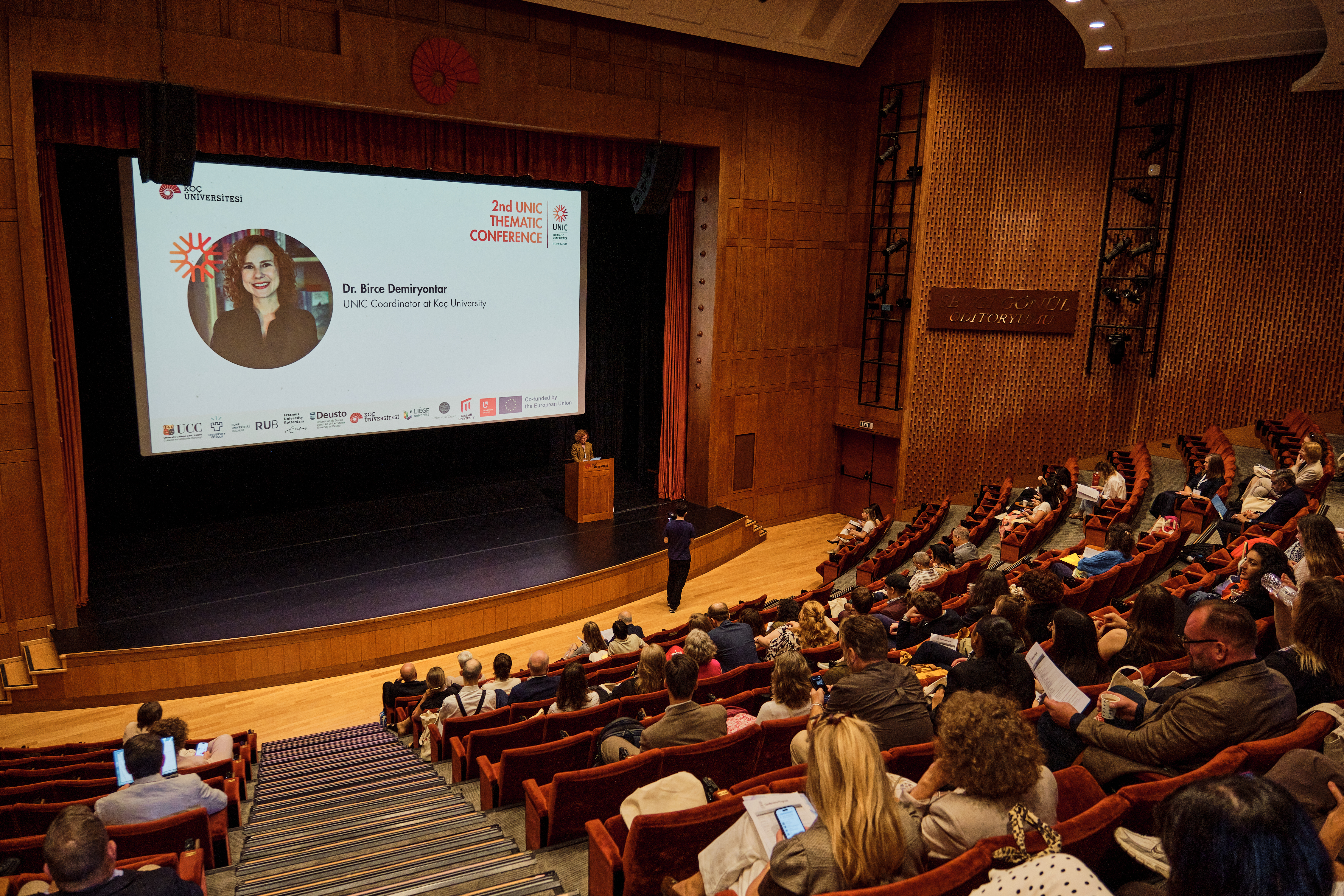
Meet the Winners of the UNIC Best Paper and Best CityLab Awards 2026
UNIC is proud to announce the winners of the 2026 UNIC Best Paper and Best CityLab Awards, rec...
17 Jun 2026
Read more »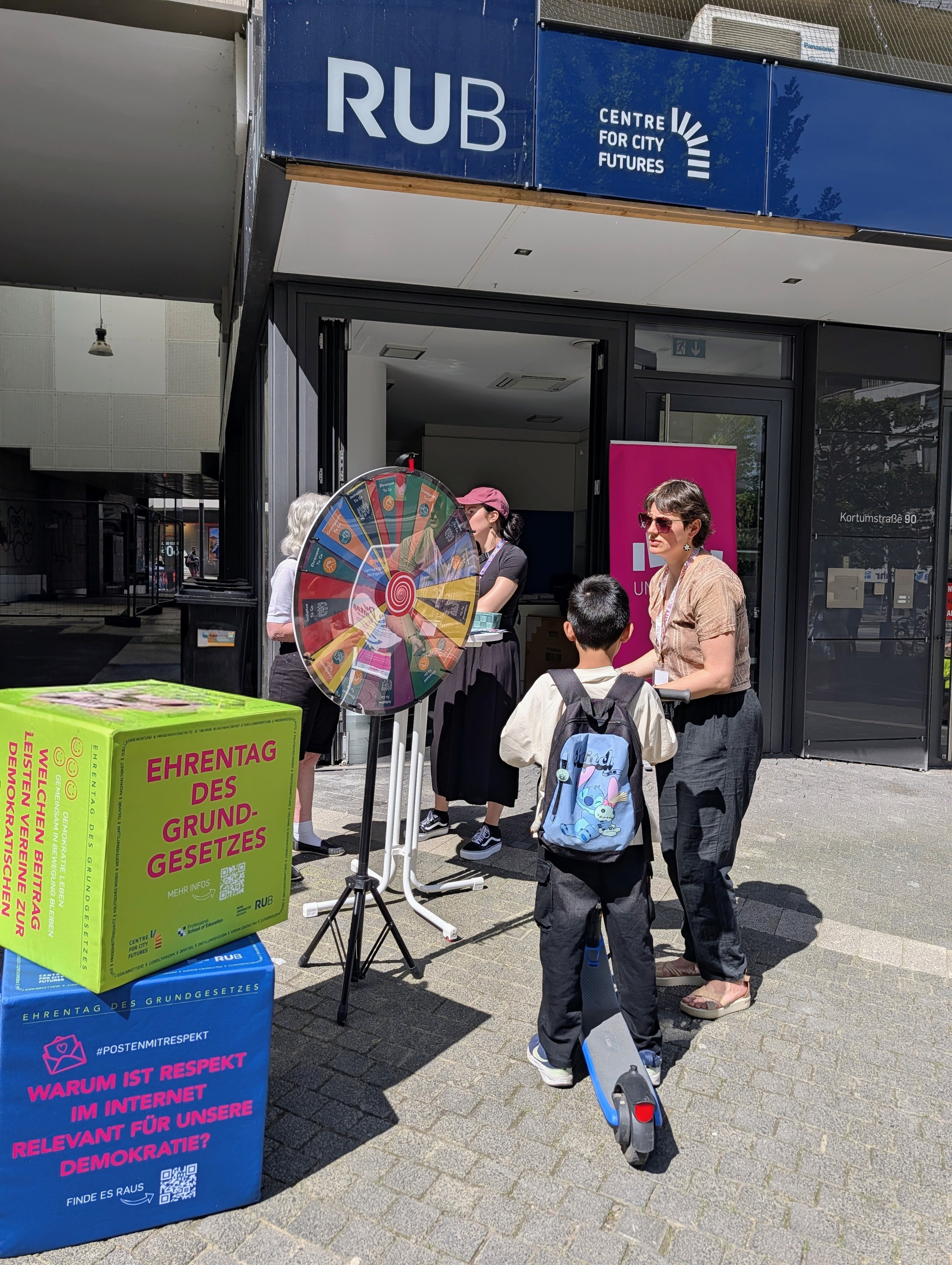
RUB Centre for City Futures brings democracy dialogue to downtown Boch...
On 23 May 2026, Ruhr University Bochum (RUB), together with UniverCity Bochum, organised the p...
28 May 2026
Read more »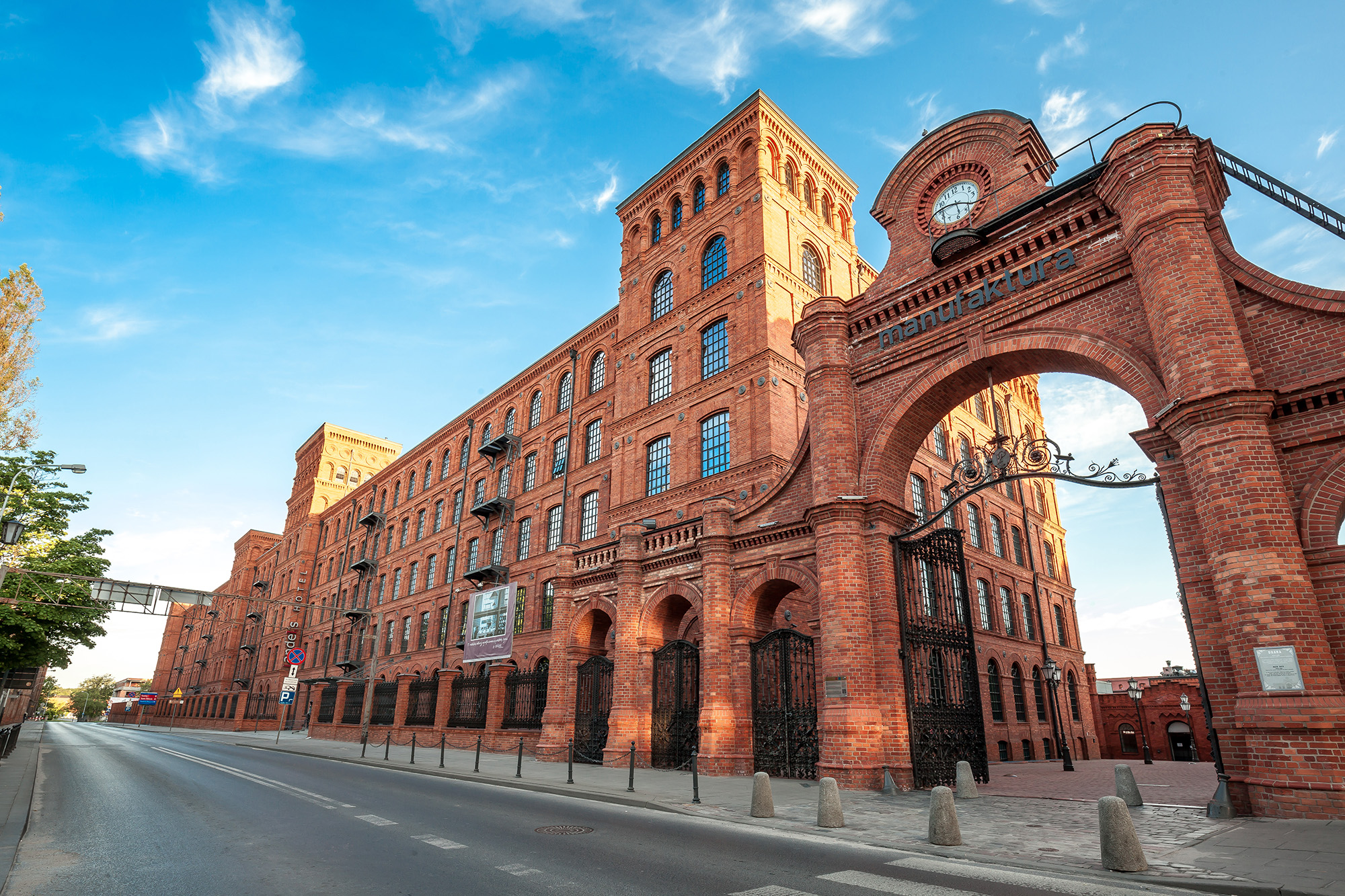
Call for Papers – Tourism Pathways in Post-Industrial Destinations
We are pleased to announce a forthcoming thematic issue of the “Turyzm/Tourism journal” (index...
19 May 2026
Read more »