The UNIC website uses cookies to improve your experience. Read our full Cookie Policy here.


The Inclusion Mobility Network serves (or will serve) as a collaborative platform designed to enhance accessibility and inclusivity in international education. We work collectively within the alliance to develop comprehensive mobility programs that cater to diverse needs. Our mission is to empower all students and staff, particularly those with disabilities, by providing robust support systems before, during, and after their mobility experiences. Through shared resources, best practices, and peer connections, we are committed to transforming the landscape of higher education mobility, ensuring that every student and staff have the opportunity to engage, learn, and thrive in an inclusive environment.
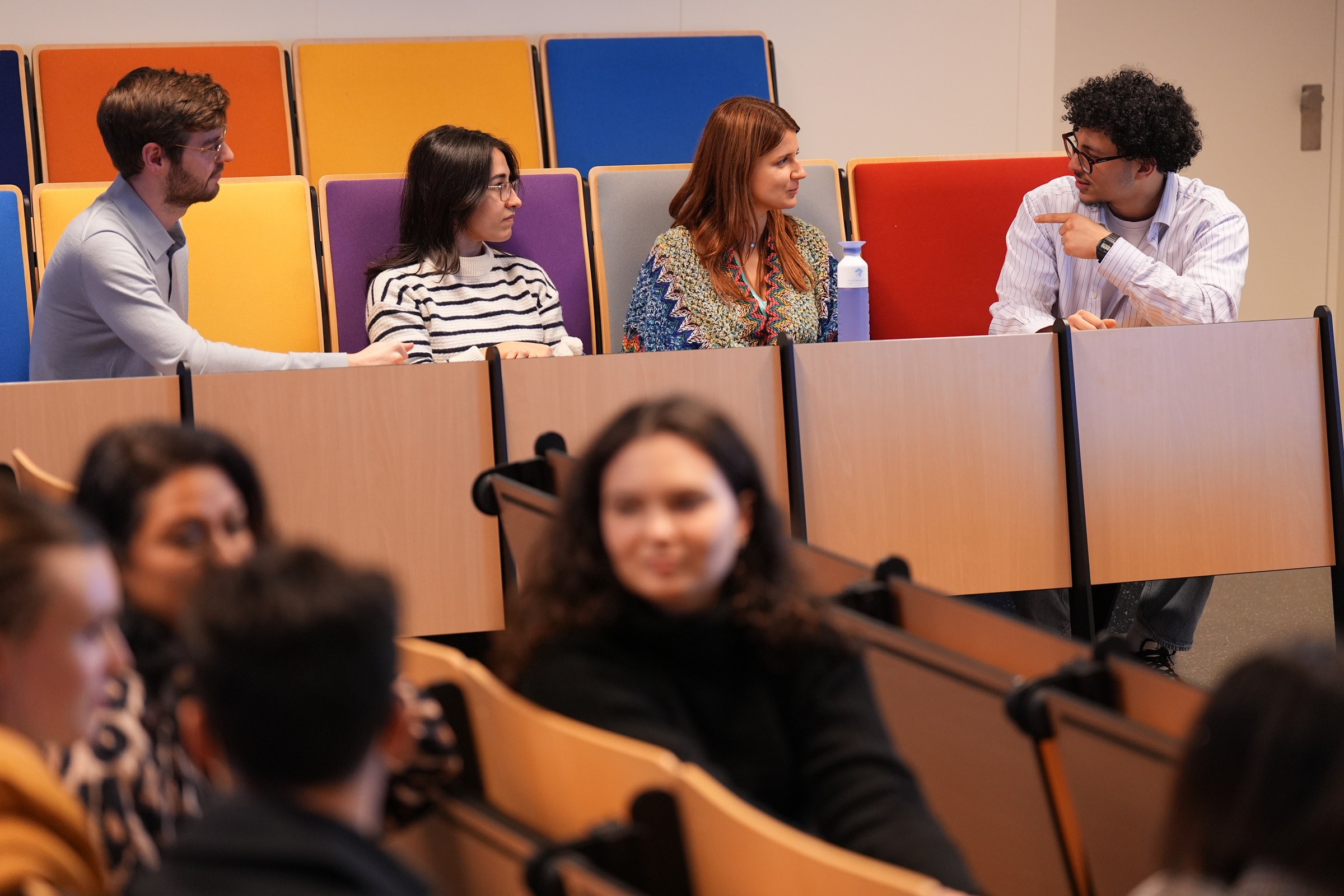
Our goal is to develop a comprehensive Inclusion Mobility Network that enhances your study abroad experience.
We’re committed to ensuring that our mobility programs meet your diverse needs and promote greater accessibility and inclusivity across the alliance. Here’s what you can expect from the network:
Our aim is to create an inclusive environment where every student feels empowered and supported throughout their journey. We look forward to building this network together!
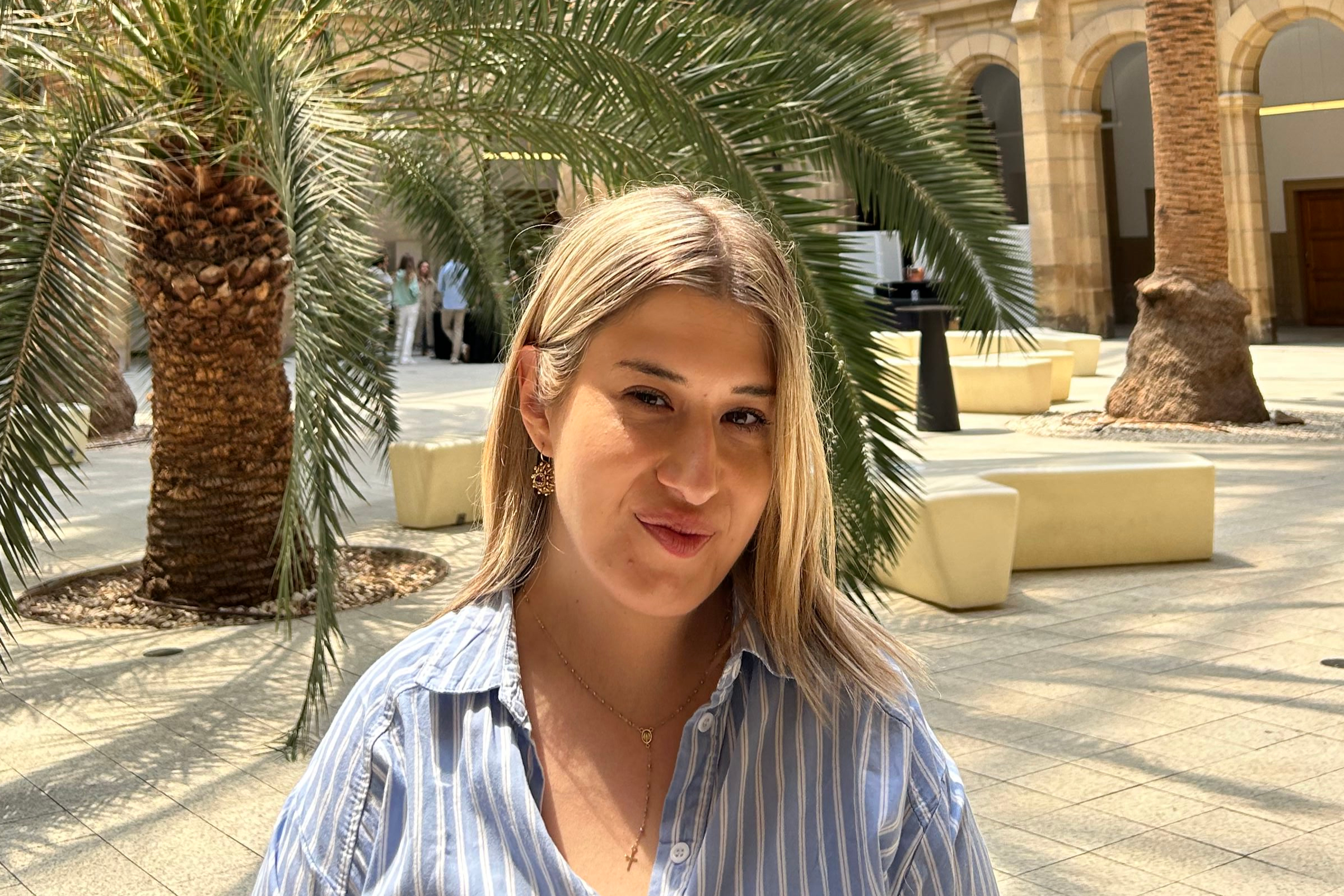
Law student at the University of Zagreb sharing her experience Erasmus Blended Intensive Programme in Deusto
“As a disabled person, I am particularly aware of the importance of protecting vulnerable groups and ensuring equal access to rights and opportunities.”
I took part in a one-week Erasmus Blended Intensive Programme because the topic of forced displacement of migrants aligns closely with my law studies and my interest in human rights and social justice.
I chose the University of Deusto after being encouraged by my administrative law professor, Teo Giljević, who believed my background was a perfect fit for the programme.
“I encourage students with disabilities to take a leap of faith. These short blended Erasmus programmes are perfect.”
Most of the information I found was online through my university’s webpage, and, as many disabled people know, having clear information makes you feel much more prepared.
“Since I have a physical disability, accessibility and financing were the key things I needed to know.”
I needed to be sure that the accommodation, the university buildings, and the places we would visit were accessible. Financing was also important because my disability meant additional travel and assistance costs. While the information was generally clear, the financing rules for disabled students could have been explained better. A specific guide would have been extremely helpful in the preparation phase. During the mobility, the main obstacle was discovering that the residence hall was on a hill accessible only by about 20 stairs. Although adapted, its location meant I had to rely on taxis or rent a car, which became the most practical solution. Beyond this, both my home university and the University of Deusto offered excellent support. The team at Deusto was particularly accommodating and made sure I knew what to expect before and during my stay.
“With the support we already have, we also need to be brave enough to try new and unfamiliar experiences.”
Looking back, I believe universities should have a designated contact person trained in the diverse needs of disabled students, as disabilities vary widely and individualised guidance matters. To any student with a disability considering mobility, I wouldn’t just give advice; I would beg you to take that leap. I was saddened to learn I was the first disabled student ever from the University of Zagreb’s Faculty of Law to go on Erasmus. Being disabled often means adapting the world around you, but with the support available, we must also be brave enough to explore new experiences.